
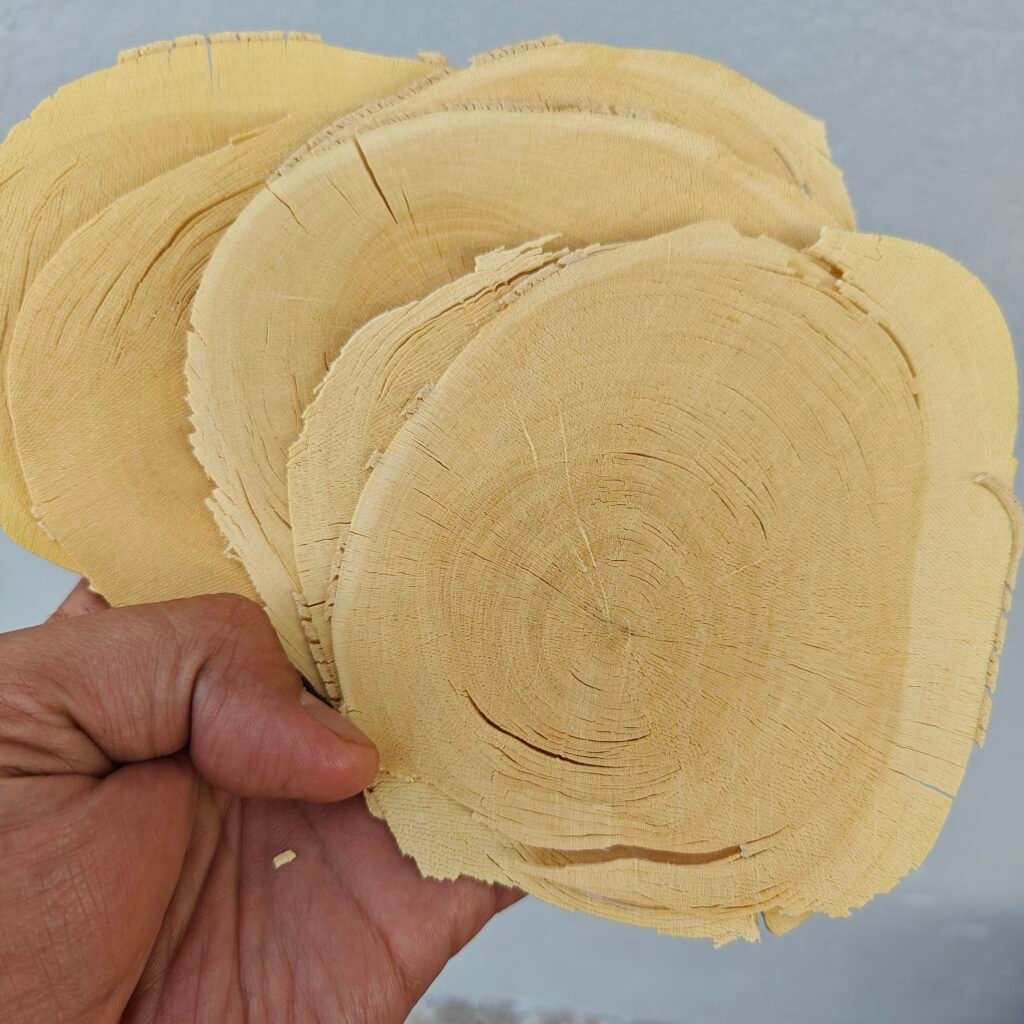
The Bone-Building Side
of Tongkat Ali
Nobody Talks About
While the world debates testosterone and libido, peer-reviewed research has been quietly revealing a different story: how this Malaysian rainforest root fights bone loss, rebuilds trabecular structure, and may offer men a safer path through androgen deficiency.
Note: The research discussed here comes primarily from animal studies and cell culture work. This article is for awareness and education only — not for self-treatment. Always consult a qualified healthcare provider.
““Eurycoma longifolia exerts proandrogenic effects that enhance testosterone levels, as well as stimulate osteoblast proliferation and osteoclast apoptosis. This will maintain bone remodelling activity and reduce bone loss. Phytochemical components may also prevent osteoporosis via antioxidative properties.”
Mohd Effendy et al. — Evidence-Based Complementary and Alternative Medicine, 2012 · Wiley Online Library
Beyond Testosterone: The Bone Story Few Tell
Search “Tongkat Ali” on the internet and you will find an overwhelming consensus: testosterone booster, energy enhancer, male sexual health supplement. These claims are real and research-supported. But they have become so dominant that a quieter, arguably more important body of scientific work has been buried beneath the marketing noise.
That work concerns bone. Specifically, how Eurycoma longifolia — the scientific name of Tongkat Ali — may protect, maintain, and in some contexts partially restore the bone density that androgen-deficient men steadily lose after the age of 40. These findings come directly from peer-reviewed journals, from histomorphometry studies, from gene expression research, and from in vitro work on the precise cellular mechanisms involved.
Male Osteoporosis: The Fracture Risk Nobody Discusses
Osteoporosis is widely understood as a women’s disease. This framing has caused a significant public health blind spot. The primary driver of male osteoporosis is androgen deficiency — the gradual decline of testosterone that begins measurably after age 30 and accelerates through the 40s and 50s.
Testosterone and its metabolite 5α-dihydrotestosterone are not simply sexual hormones. They are architectural hormones. They regulate osteoblasts — the cells that build new bone — and govern osteoclasts — the cells that break down existing bone. When androgens decline, this balance tips: osteoclasts become relatively more active, osteoblasts less so, and progressive structural deterioration of bone follows.
The conventional response is Testosterone Replacement Therapy (TRT). TRT is effective for bone preservation, but it carries documented risks: cardiovascular events, erythrocytosis, testicular atrophy, and the suppression of the body’s own hormonal production. For many men, the risk-benefit calculation of long-term TRT is genuinely complex. This is precisely where the Eurycoma longifolia research becomes interesting.
Six peer-reviewed studies have specifically evaluated Eurycoma longifolia’s effects on androgen-deficiency osteoporosis in orchidectomised rat models.
Tongkat Ali supplementation upregulates osteoprotegerin (OPG) gene expression — the body’s own mechanism for blocking bone resorption.
In cell studies, Eurycoma longifolia activates BMP-2 and RUNX-2 — two master regulators of osteoblast differentiation and new bone formation.
The 50 mg/kg dose of quassinoid-rich extract showed optimal bone protection in PMC6073572, promoting osteoblast surface above sham control values.
What the Studies Actually Found
Study 1 — Rebuilding Trabecular Structure (PMC6073572)
Published in Nutrients (2018), this study used two androgen-deficient models: orchidectomised rats and degarelix-treated rats. Quassinoid-rich extract was administered at 25, 50, and 100 mg/kg daily for 10 weeks.
Quassinoid-rich extract reduced degenerative changes in trabecular structure by improving bone volume, trabecular number, and trabecular separation — the three primary structural metrics that osteoporosis destroys.
It reduced osteoclast surface (OcS/BS) and increased osteoblast surface (ObS/BS). At 50 mg/kg, osteoblast surface was promoted to a level higher than the sham-operated non-castrated control group — suggesting not merely preservation but active stimulation of bone-building activity.
Study 2 — A Potential Alternative to Testosterone
A cell culture study published in the Journal of Ethnopharmacology (2016) found that Eurycoma longifolia extract at 25 μg/mL improved osteoblast cell growth and significantly promoted alkaline phosphatase (ALP) activity throughout the entire treatment duration, outperforming even the testosterone-treated comparison group on this osteogenic differentiation marker.
Study 3 — Preventing Calcium Loss
A study using aged orchidectomised rats found that both testosterone replacement and Eurycoma longifolia supplementation maintained bone calcium levels compared to untreated controls. The conclusion: “EL prevented bone calcium loss in orchidectomised rats and therefore has the potential to be used as an alternative treatment for androgen-deficient osteoporosis.”
Study 4 — Suppressing Osteoclasts at the Molecular Level
A 2018 in vitro study found that Eurycoma longifolia inhibited RANKL-induced osteoclastogenesis and reduced TRAP activity — a direct marker of osteoclast maturation. RANKL is the same molecular trigger targeted by denosumab, a widely prescribed pharmaceutical osteoporosis drug.
The OPG Gene: The Most Underreported Mechanism
Research found that Eurycoma longifolia supplementation upregulates osteoprotegerin (OPG) gene expression in androgen-deficient osteoporosis models — meaning the plant activates the body’s own internal protection mechanism against bone loss, rather than simply replacing a hormone. A plant that stimulates the body’s endogenous bone-protection genes is operating in a fundamentally different way from one that substitutes for a hormone.
The Antioxidant Dimension
When sex hormones decline, generation of reactive oxygen species (ROS) increases. ROS activates osteoclastogenic signalling, accelerating bone resorption. Eurycoma longifolia contains documented antioxidants — including SOD-like activity — that address this upstream oxidative driver of bone loss. This dual mechanism — hormonal and antioxidant — may explain why the plant shows bone-protective effects even at doses that produce only marginal increases in testosterone.
“It is not just a testosterone booster. It activates the body’s own bone-protection genes, suppresses the molecular trigger for bone resorption, and fights the oxidative stress that accelerates skeletal deterioration. That is a full-spectrum bone ally, not a hormonal substitute.”
The Compounds Behind the Bone Effects
The primary quassinoid. Stimulates LH and FSH release via the hypothalamic-pituitary-gonadal axis, supporting endogenous testosterone production and thereby bone-forming osteoblast activity.
The bitter terpenoid compounds unique to Simaroubaceae. The quassinoid-rich extract fraction was the specific form showing bone microarchitecture improvements in PMC6073572.
A quassinoid with androgenic and antioxidant properties. Contributes to the proandrogenic profile that supports osteoblast activity and reduces oxidative burden on bone tissue.
Beta-carboline alkaloids with documented anti-inflammatory effects. Inflammation is a co-driver of bone resorption; alkaloid-mediated anti-inflammatory activity supports the bone-protective profile.
Immunomodulatory compounds that support the immune regulation of bone remodelling. Osteoclast activity is partly governed by immune signalling; polysaccharides may modulate this axis.
Protein-sugar conjugates with roles in cell signalling and growth factor activity. May contribute to the BMP-2 and RUNX-2 activation observed in cell studies.
After my discharge, I felt that fragility in my bones — the weakness that nerve damage brings, where every step on uneven ground felt like a negotiation with gravity. The Orang Asli elders I spent time with didn’t hand me the root with instructions for megadosing. They said: pair it with the earth’s small challenges. Barefoot on uneven paths. Gentle hills. Small resistances, consistently applied.
Months later, my balance and structural strength had returned in ways I hadn’t expected. I can’t attribute that to any single thing — the movement, the sun, the whole foods, or the root. But I suspect the bone-protecting mechanisms described in these papers played a part that was never listed on a supplement bottle.
What struck me most about the Orang Asli approach was the rotation and the patience. Cycling yellow, red, and black Tongkat Ali slowly, letting the body integrate and respond. The science of receptor sensitisation and hormonal feedback loops suggests there is real wisdom in that instinct.
What the Research Can and Cannot Tell Us
The majority of bone density research on Eurycoma longifolia has been conducted in animal models and cell culture systems. Animal results do not automatically translate to human outcomes. A comprehensive evidence review noted that while Eurycoma longifolia showed bone microarchitecture and biochemical marker improvements, most studies were unable to demonstrate preservation of bone biomechanical strength. More research on humans is necessary. The mechanistic picture is compelling. The clinical human evidence is still being built.
Approaching Tongkat Ali with Patience
The elders who first shared this root did not teach megadosing or aggressive cycling. They taught consistency, rotation, and pairing the root with physical challenge. These are general awareness notes — not a treatment protocol.
All bone research was conducted on root extracts from Eurycoma longifolia specifically. Verify botanical identity. Standardised quassinoid content is the relevant quality marker.
Traditional use and pharmacological evidence both favour consistent low doses over occasional high doses. The hormonal axis needs sustained, gentle stimulation.
Bone responds to mechanical load. Weight-bearing exercise and resistance training are the primary stimuli for osteoblast activity. The root supports the hormonal context; movement provides the architectural signal.
Yellow (standard), Red, and Black Tongkat Ali have distinct phytochemical profiles. Slow rotation, as practised in traditional use, may engage different pathways without receptor desensitisation.
Bone density requires calcium, vitamin D, and hormonal signalling simultaneously. No single supplement operates in isolation. Daily sun exposure is the foundation the root builds upon.
Bone remodelling cycles operate over weeks and months. The studies used 6–10 week treatment periods. The elders measured results in seasons, not days.
The research discussed here comes primarily from animal studies and cell culture work. It does not constitute clinical evidence that Eurycoma longifolia treats, prevents, or reverses osteoporosis in humans. Do not use this information to self-treat any medical condition. Men experiencing symptoms of low testosterone or bone density concerns should consult a physician for proper assessment. Tongkat Ali should not replace prescribed medications or TRT without medical guidance. These statements have not been evaluated by regulatory authorities.
References & Sources (click to expand)
- Ramli, E.S.M. et al. (2018). Effects of Quassinoid-Rich Eurycoma longifolia Extract on Bone Turnover and Histomorphometry in Androgen-Deficient Osteoporosis Rat Model. Nutrients, 10(7):799. PMC6073572.
- Thu, H.E. et al. (2016). Eurycoma longifolia as a potential alternative to testosterone for treatment of osteoporosis. Journal of Ethnopharmacology. ScienceDirect.
- Effendy, N.M. et al. (2010). The anti-osteoporotic effect of Eurycoma longifolia in aged orchidectomised rat model. Aging Male, 13(4).
- Mohd Effendy, N. et al. (2012). Eurycoma longifolia: Medicinal Plant in Prevention and Treatment of Male Osteoporosis. Evidence-Based Complementary and Alternative Medicine. Wiley.
- Karthivashan, G. et al. (2018). Eurycoma longifolia, a promising suppressor of RANKL-induced differentiation of osteoclasts. Ancient Science of Life. ScienceDirect.
- Saadiah, A.R. et al. Eurycoma longifolia upregulates osteoprotegerin gene expression in androgen-deficient osteoporosis rat model. ResearchGate.
- Norhayati, M.N. et al. (2019). An Evidence-Based Review: Effects of Malaysian Traditional Herbs on Osteoporotic Rat Models. PMC6422536.