
The Cost of Stillness: How Comfort is Quietly Dismantling Your Body
For millions of years, the human body was a tool for survival. Today, our lives are defined by desk jobs, screens, and a profound addiction to convenience. But this comfort comes with a heavy price. When you stop moving, your body doesn't just rest—it begins to actively dismantle the muscles and bone density it deems unnecessary. Discover the biological cost of modern stillness, the dangerous "Threshold of Decline," and how applying the Challenge Principle can pull you back from the brink of irreversible weakness.
Aj Tongkat Ali
3/3/20262 min read
The Evolutionary Clash Our modern lives—filled with desk jobs, long commutes, and glowing screens—are a complete departure from our evolutionary history. For millions of years, we were hunter-gatherers, and our days were defined by constant movement: walking miles, climbing, and carrying heavy loads. Our entire physiology, from our bones to our metabolism, is hardwired for activity.
When we stay put and embrace a sedentary lifestyle, we are essentially going against our own biological programming.
The Silent Addiction to Convenience In our evolutionary past, stillness was a temporary state of rest. Today, it has become a pervasive addiction.
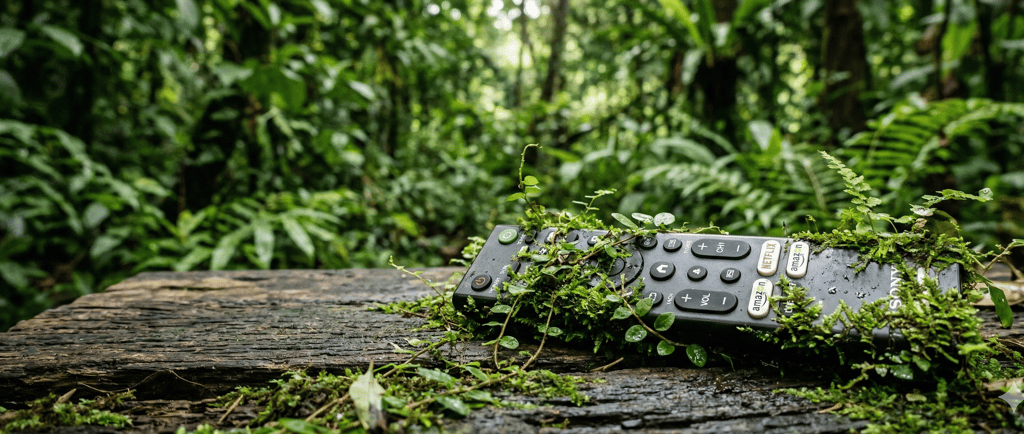
We have become so accustomed to ease that we actively seek ways to avoid even the smallest physical effort. Think about the TV remote control: when it goes missing, many people will search high and low for it rather than simply walking a few steps to the television. This might seem trivial, but it perfectly illustrates a mindset that constantly chooses passivity over action. These small, daily choices add up, reinforcing a pattern of stillness that leads to the slow decline of our physical abilities.
Another new dependency is the constant stimulation of social media. This "scrolling addiction" creates a form of digital paralysis. Time spent on screens directly replaces time that could have been used for physical activity, and the blue light disrupts the crucial sleep your body needs to repair and adapt.
The Systemic Damage The cost of this stillness isn't just about feeling out of shape; it is a profound systemic issue. Modern science has confirmed the cascade of negative effects triggered by a sedentary lifestyle:
Metabolic Dysfunction: Prolonged sitting significantly impairs your body's ability to regulate blood sugar, which increases the risk of type 2 diabetes. In fact, sitting for 8 or more hours a day raises your diabetes risk by 17%.
Cardiovascular and Muscular Deterioration: When you sit for long periods, your muscles (particularly in your legs) become inactive, leading to muscle atrophy and a loss of bone density. Your body, which is a highly efficient machine, begins to dismantle what it deems unnecessary.
The Threshold of Decline Years of recycling this frustrating pattern of stillness can push you toward a dangerous line—a threshold of decline. This is a gradual accumulation of weakness that eventually feels irreversible.
At this threshold, your body is in a state of constant, low-level emergency. Your repair processes are overwhelmed, and every simple task feels like a monumental effort.
But here is the truth: this threshold is not a destiny; it is a choice.
The Antidote The Challenge Principle provides a clear, intentional alternative to passive consumption and comfort. It is the simple, powerful way to not only avoid that point of decline but to begin the long, rewarding journey back from it. Give your body the resistance it craves, and it will reward you with the resilience you deserve.
The Next Step: The herbs are the fuel, but the Challenge Principle is the engine. To understand the complete, step-by-step framework I used to rebuild my body from a medical discharge to walking the rainforest barefoot, you need the full manual. 📖 Read The Adaptive Body: The Challenge Principle here: https://a.co/d/07fFHTMj